
Introduction
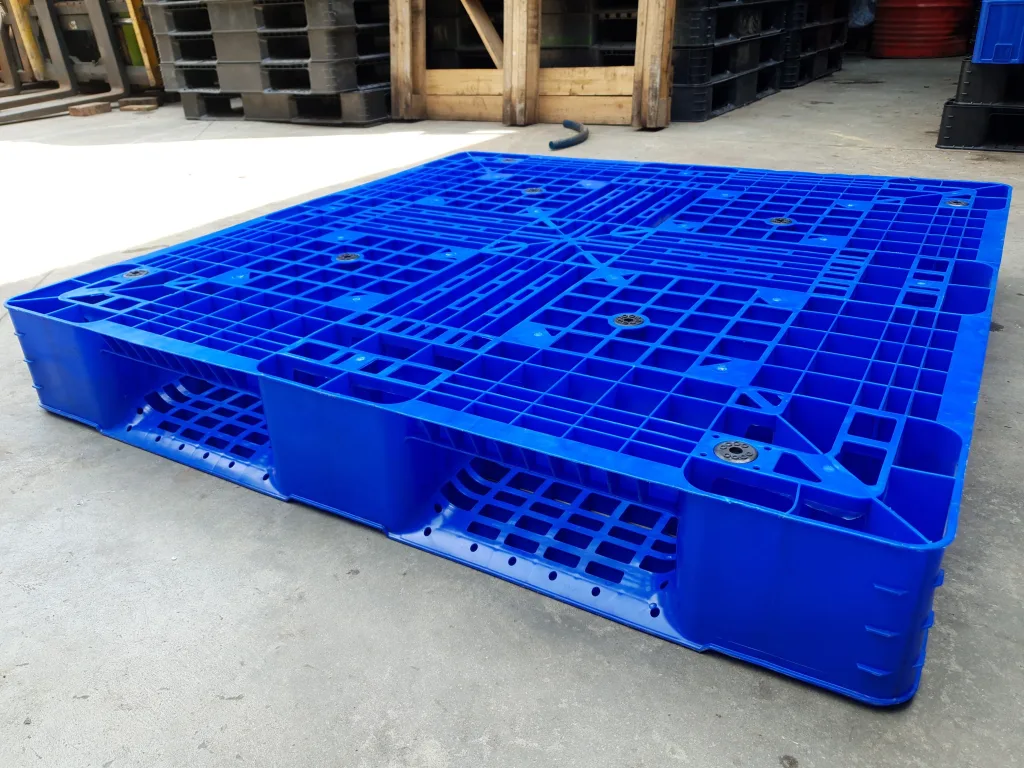
In logistics and warehouse management, pallets play a crucial role in storing and transporting goods efficiently. For decades, wooden pallets dominated the industry, but plastic pallets are rapidly becoming the preferred alternative. Thanks to their durability, hygienic qualities, and cost-effectiveness over time, plastic pallets are revolutionizing how businesses manage their supply chains.
Whether you’re in manufacturing, food processing, pharmaceuticals, or retail, plastic pallets offer an upgrade that can save money, improve safety, and boost operational efficiency.
Benefits of Plastic Pallets
-
Durability and Longevity: Unlike wood, plastic pallets don’t splinter, crack, or absorb moisture. This means they won’t warp or degrade with exposure to humidity or rough handling. Plastic pallets last longer and reduce the need for frequent replacements, lowering long-term costs.
-
Hygienic and Easy to Clean: Plastic pallets have smooth, non-porous surfaces that prevent dirt and bacteria buildup. This makes them ideal for industries where cleanliness is critical, such as food, pharmaceuticals, and chemicals. Sanitizing plastic pallets is simple, helping to meet strict hygiene standards.
-
Lightweight and Safer: Plastic pallets are significantly lighter than wood or metal ones, reducing shipping costs and making manual handling safer for workers by minimizing strain and injury risks.
-
Stackable and Nestable Designs: Many plastic pallets can nest or stack securely, helping warehouses optimize vertical storage space and simplifying transport logistics.
-
Environmental Advantages: Most plastic pallets are recyclable and designed for multiple reuse cycles, reducing waste and environmental impact.
A Long-Term Investment, Not Just a Pallet
At first glance, plastic pallets may seem like a bigger expense compared to wooden ones, but when you look at the bigger picture, they’re actually a cost-saving asset. Wooden pallets often crack, splinter, or absorb moisture, which means constant repairs or replacements. Plastic pallets, on the other hand, are designed to last for years, even under heavy-duty use.
Here’s why they’re more than just pallets:
-
Durability that pays off – strong, reliable, and resistant to moisture or impact.
-
Hidden cost savings – fewer repairs, less downtime, and lower waste disposal.
-
Lower logistics costs – their lighter weight helps reduce shipping expenses.
-
Smoother operations – consistent sizing ensures safer stacking and easier transport.
In the long run, plastic pallets aren’t just storage platforms—they’re a long-term investment that helps businesses save money, improve efficiency, and create a safer workplace.
Enhancing Workplace Safety with Plastic Pallets
Safety is more than a checklist, it’s the backbone of a productive warehouse. Traditional wooden pallets can splinter, crack, or become slippery when wet, posing hidden risks to staff. Plastic pallets eliminate many of these hazards. Their smooth, durable surfaces prevent splinters and reduce the chance of product damage. Lightweight designs make lifting and moving pallets easier, lowering strain and the likelihood of injuries. By investing in plastic pallets, businesses send a clear message to employee that safety is a priority. Safer handling not only protects workers but also boosts morale, reduces absenteeism, and improves overall efficiency. In this way, switching to plastic pallets isn’t just smart and also it’s a step toward a safer, more motivated workforce.
Tips to Choose the Right Plastic Pallet
- Assess Load Requirements
Every operation has different needs. Before buying, consider the average weight of goods being transported and stored. Overloading pallets can shorten their lifespan and create safety risks, so choosing the right load capacity is essential. - Check Dimensions
A pallet might be durable, but if it doesn’t fit your racking system, forklifts, or transport vehicles, it can cause major inefficiencies. Always measure against your equipment and logistics setup to avoid compatibility issues. - Consider Industry Standards
Some industries require pallets to meet certifications such as FDA approval for food safety, ISPM-15 exemption for exports, or chemical resistance. Verifying these standards in advance helps you avoid compliance problems later. - Space-Saving Features
If warehouse space is limited, choose stackable or nestable pallets to maximize storage space. Nestable pallets, in particular, can reduce the number of empty box returns, thereby reducing transportation costs.
Final Thoughts
Plastic pallets offer a smart, forward-thinking solution to traditional pallet problems. Their durability, hygiene, and lightweight design can reduce costs and improve efficiency across your supply chain.
Ready to make the switch? Explore Dai Ichi’s durable and versatile plastic pallet options to find the perfect fit for your business today.