
Introduction
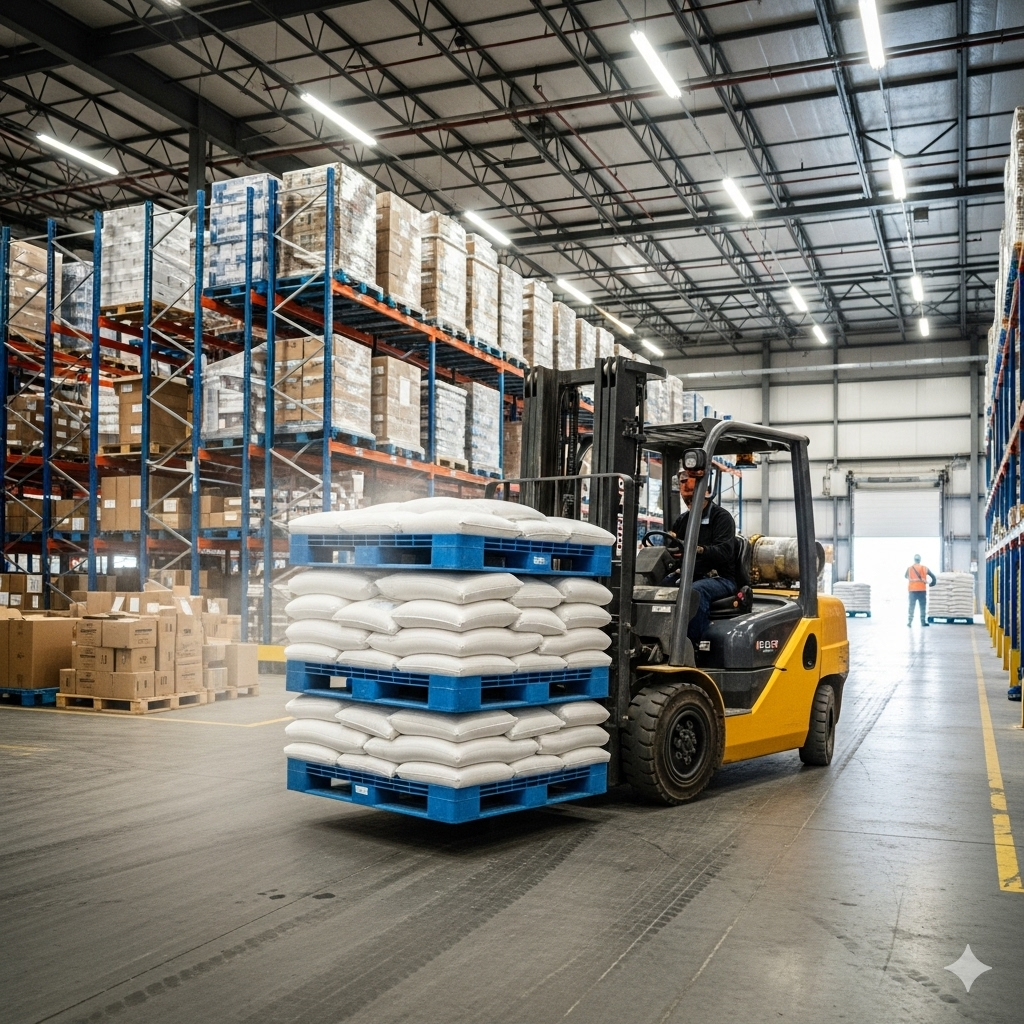
With rising fuel prices and increasing global competition, reducing supply chain costs has become a critical priority for businesses. Even small inefficiencies can quickly add up, affecting profitability. By implementing smart strategies and investing in the right tools, companies can lower expenses, improve operational efficiency, and maintain a competitive edge. In addition, adopting sustainable and durable solutions, such as reusable plastic pallets, not only helps cut costs but also supports environmental responsibility, making supply chains more resilient and future-ready.
Cost-Saving Strategies
- Inventory Optimization
Utilize real-time monitoring to maintain optimal stock levels, reducing waste and preventing overstocking or stockouts that can disrupt operations. Pairing inventory systems with predictive analytics further improves accuracy and minimizes the costs associated with excess inventory. - Efficient Routing
AI-driven route planning saves fuel, reduces delivery times, and helps drivers avoid traffic congestion, lowering overall transportation costs. Consolidating shipments or adjusting delivery schedules can further maximize truck capacity and reduce unnecessary trips. - Durable Equipment
Investing in long-lasting equipment, such as plastic pallets, reduces replacement costs compared to wood or metal. Their lightweight design lowers transportation expenses, and standardized sizing ensures compatibility with automated warehouse systems and storage racks. - Automation & Preventive Maintenance
Automating repetitive tasks reduces labor dependency and human error. Preventive maintenance on forklifts, racks, and other machinery helps avoid costly downtime and repairs, keeping operations running smoothly and efficiently. - Sustainable Packaging and Materials
Using sustainable packaging and optimizing pallet sizes reduces shipping volume and transportation costs. Plastic pallets, in particular, are reusable, which decreases waste and operational costs. Adopting eco-friendly solutions also strengthens a company’s brand image, appealing to environmentally conscious clients.
Why Plastic Pallets Are a Smart Choice
Plastic pallets offer a durable, hygienic, and reusable alternative to traditional wooden pallets. Their sturdy construction protects goods during transport, reduces product damage, and simplifies cleaning. Unlike wood, they resist moisture, insects, and splintering, making them safer for handling. Over time, using plastic pallets can lower replacement costs and help businesses maintain a more efficient and organized warehouse. Additionally, many plastic pallets are recyclable, supporting sustainability efforts and allowing companies to adopt more environmentally responsible supply chain practices.
Reliable Plastic Pallets in Penang
For businesses in Penang looking for durable and cost-effective plastic pallets, Dai Ichi Supply offers a wide range of options suitable for logistics, food, and manufacturing industries. Their pallets are engineered to last, protect products, and streamline warehouse operations, helping companies optimize their supply chains and lower long-term expenses.
Cost Comparison Table
| Equipment Type | Short-Term Cost | Long-Term Cost |
|---|---|---|
| Wooden Pallet | Low upfront | High (frequent replacements) |
| Metal Pallet | High upfront | Medium (durable but heavy) |
| Plastic Pallet | Medium upfront | Low (long lifespan + recyclable) |
Staff Training and Safety Practices
Investing in staff training ensures proper handling of pallets, machinery, and goods. Plastic pallets are safer than wooden ones because they reduce splinters and breakage hazards. Training teams to use pallets correctly improves efficiency, reduces workplace accidents, and minimizes product damage.
Conclusion
Focusing on smart supply chain strategies like optimizing inventory, improving delivery routes, and using durable equipment such as plastic pallets can help businesses save money and run efficiently. Companies like Dai Ichi Supply, which offer high-quality reusable plastic pallets, show that investing in the right tools and planning for the long term really pays off. By putting these strategies into practice, businesses can stay competitive, reduce waste, and grow sustainably.